

What is Glycolic Acid & What Are The Benefits For Your Skin?
Glycolic Acid is an AHA (Alpha Hydroxy Acid) known for its smoothing and resurfacing benefits and all-in-all, a real glow-getter that has taken the entire beauty industry by storm. By helping to reveal fresh layers of skin, it’s known to visibly treat discolouration, improve the look of fine lines and wrinkles, target acne-prone skin and most importantly, exfoliate for a more radiant complexion.
Glycolic Acid has been at the heart of Neostrata since 1974 when our founders first discovered the multiple effects of Alpha Hydroxy Acids (AHAs) on patients with Ichthyosis (dry, thickened, scaly skin.) Yes, at Neostrata we are the founders of the benefits of using Glycolic Acid for its skin renewing properties. Don’t worry, you can thank us later!
What Does Glycolic Acid Do For Your Skin?
Glycolic Acid is an Alpha Hydroxy Acid that is derived from sugar cane. Glycolic Acid normalises the skin’s exfoliation process, refines the appearance of pore size and smooths the look of fine lines and wrinkles as it retexturises skin. Glycolic Acid works by loosening the glue-like substance that holds dull and dead skin cells on the topmost layer of your skin, revealing newer, healthier-looking skin. It’s perfect to use as part of a variety of skincare routines from preventing early signs of ageing to helping visibly improve acne-prone skin as it helps removes pore-clogging dead skin cells that trap dirt and bacteria.
Acts As An Exfoliant: Glycolic Acid is a chemical exfoliant that removes the outermost layer of skin cells by dissolving and loosening their bonds – no harsh scrubbing required!
Is An Antiageing All-Star: Glycolic Acid can help minimise the visible signs of skin ageing like sun damage, while targeting natural collagen (which help give skin its elasticity or “bounce”) to reduce the appearance of surface lines and wrinkles.
Softer-looking fine lines and wrinkles
Glycolic Acid helps normalise the skin’s exfoliation process, so the surface layer is constantly being renewed rather than building up. Over time that shows up as skin that looks smoother and lines that look softer. These results build with consistent use rather than appearing overnight.
More even tone and a fading look to dark spots
One of the most visible benefits of glycolic acid is a more even-looking skin tone. In a 12-week study of the NeoStrata Resurface Regimen, 97% of participants noted more even skin tone and 91% noted brown spots were fading, after 12 weeks as part of a full AHA regimen.
Clearer-looking pores
Because Glycolic Acid loosens the bonds holding dull, dead cells on the surface, it also helps clear the pore-clogging debris that makes pores look enlarged. The result is skin that reads as clearer and more refined, particularly on the nose, chin and forehead.
A brighter, more radiant complexion
Dullness is largely a surface problem: a build-up of dead cells that scatters light instead of reflecting it. As Glycolic Acid reveals fresher skin underneath, light reflects more evenly and the complexion looks brighter. That is the “glow” people associate with AHAs.
What Skin Care Products Contain Glycolic Acid?
You can find Glycolic Acid in a variety of products in your skincare routine. From cleansers to toners and treatments to moisturisers and even at-home chemical peels such as the NeoStrata Smooth Surface Glycolic Daily Peel! You can find Glycolic Acid at different levels and in different formats throughout the NEOSTRATA portfolio. Below are some of our favourite skincare products containing Glycolic Acid that you can try.
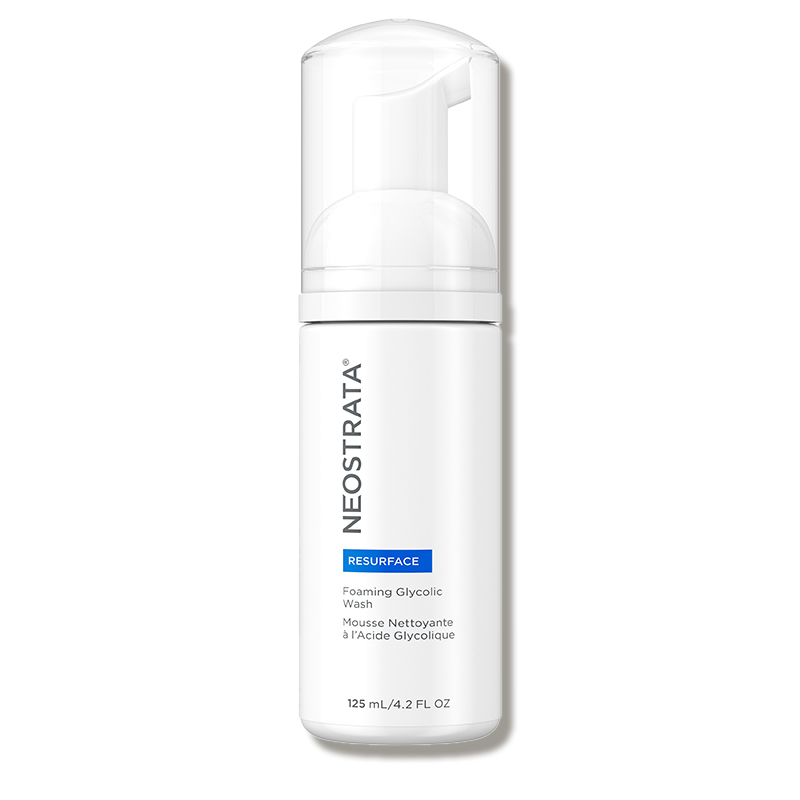
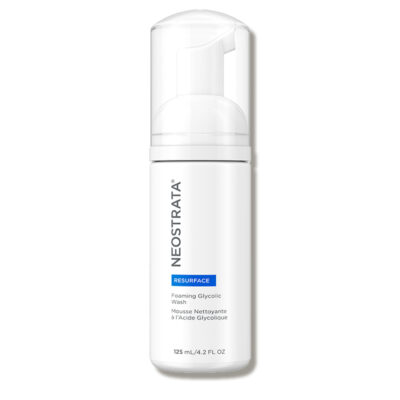
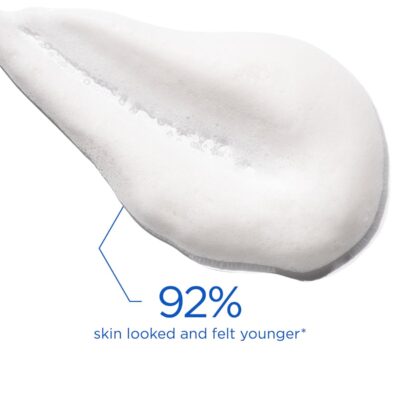
GLYCOLIC ACID IN A FACIAL CLEANSER: TRY FOAMING GLYCOLIC WASH
This award-winning maximum strength foam cleanser is formulated to retexture the skin’s surface, helping to clean clogged pores and lightly exfoliate.
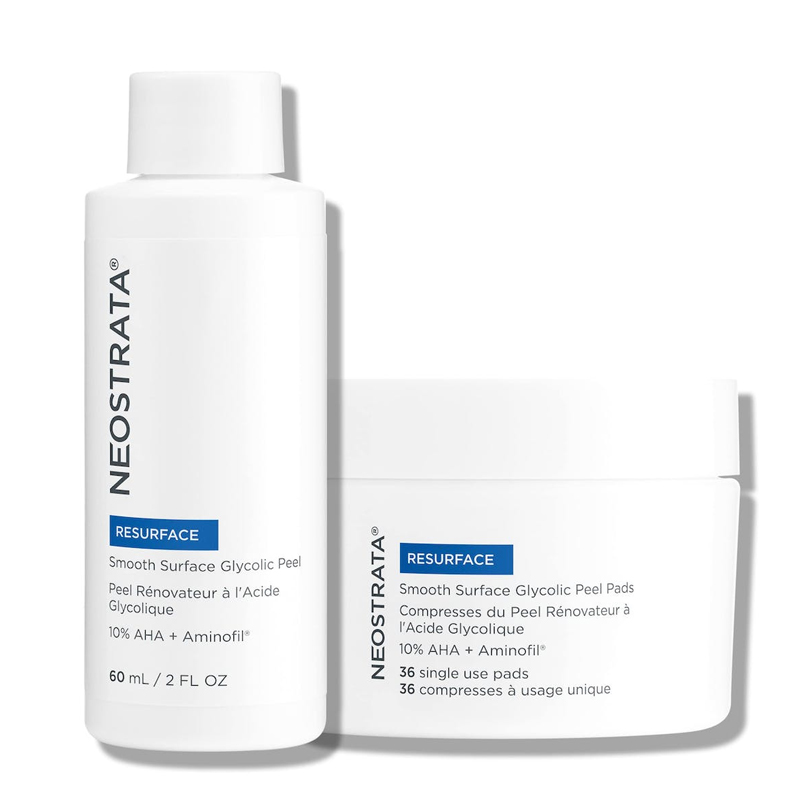
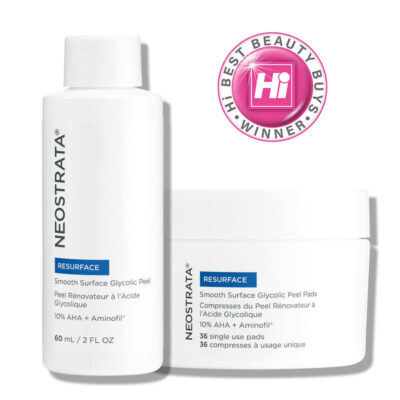
GLYCOLIC ACID IN A PEEL: TRY THE NEOSTRATA SMOOTH SURFACE GLYCOLIC DAILY PEEL
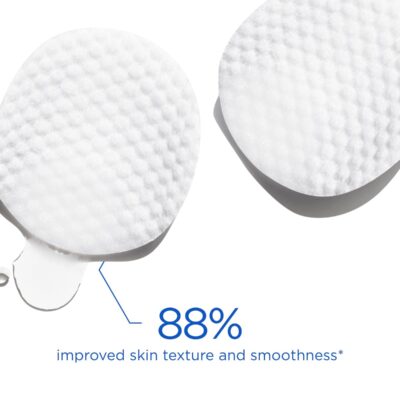
This advanced at-home chemical peel provides six visible antiageing benefits in one step. It is formulated with 10% Glycolic Acid and Aminofil to refine skin texture, improve skin tone, reduce the look of fine lines and wrinkles, even visible discolouration, clarify pores and minimise skin roughness when used as part of a daily AHA skincare regimen.*
* Twice daily use of Foaming Glycolic Wash with AHA day cream with SPF, Glycolic Renewal Smoothing Cream and Smooth Surface Glycolic Peel daily.
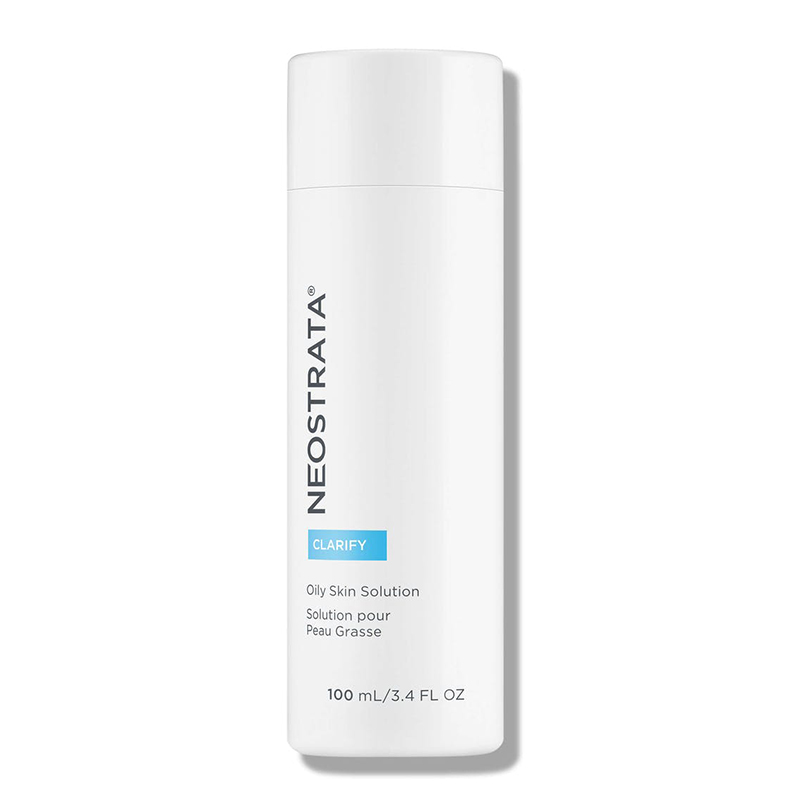
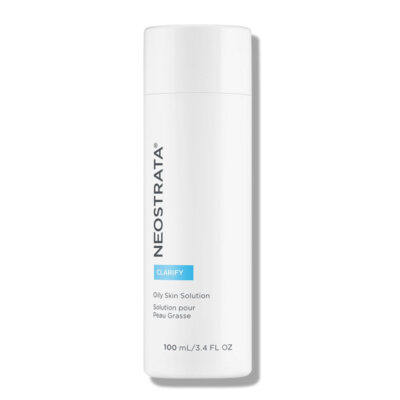
GLYCOLIC ACID IN A TONER: TRY OILY SKIN SOLUTION
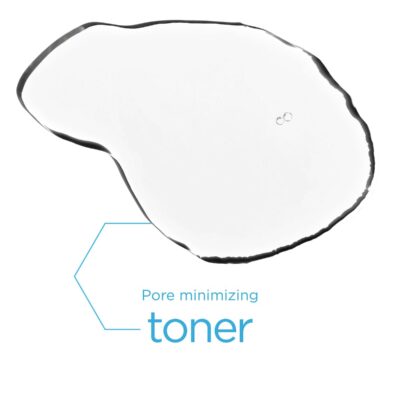
This pore minimising toner is designed to exfoliate, clarify and help tighten pores. This high strength AHA formula is designed to reduce the appearance of fine lines and wrinkles and is ideal for oily or oily-prone skin with early signs of ageing.
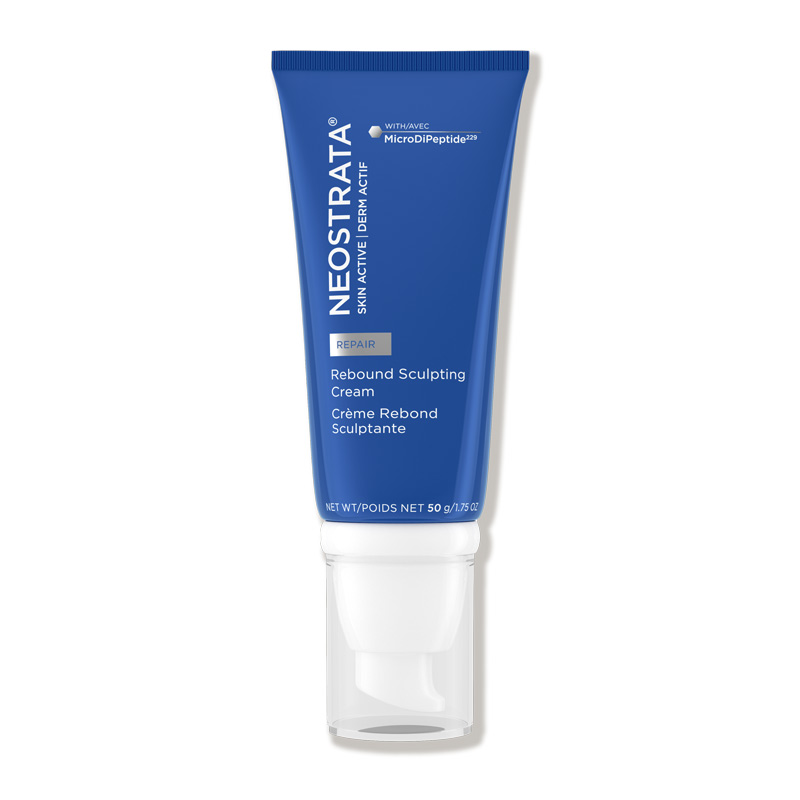
GLYCOLIC ACID IN A NIGHT CREAM: TRY REBOUND SCULPTING CREAM
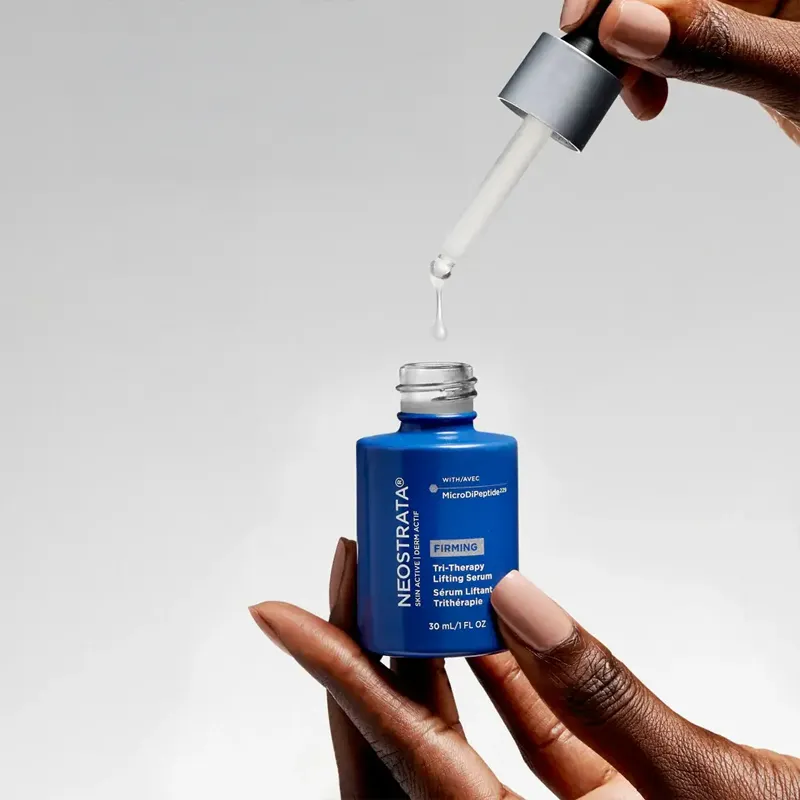
This plush, hydrating face cream with breakthrough MicroDiPeptide229 technology targets 10 key signs of ageing. Improves the look of collagen and elastin-depleted skin for a lifted, recontoured appearance.
What strength of glycolic acid are you buying?
Glycolic acid products are not interchangeable: the format and the percentage decide both what the product does and how easily your skin tolerates it. As a rule, start at the lowest strength that does the job and move up only once your skin is comfortable.
| Product | Format and strength | Best for |
|---|---|---|
| Foaming Glycolic Wash | Rinse-off cleanser with glycolic acid, in a maximum strength foaming formula | A first step into AHAs, and daily use for skin already used to exfoliating acids |
| Smooth Surface Glycolic Daily Peel | Leave-on pad treatment, 10% Glycolic Acid with Aminofil | Skin that already tolerates glycolic acid and wants a step up in resurfacing |
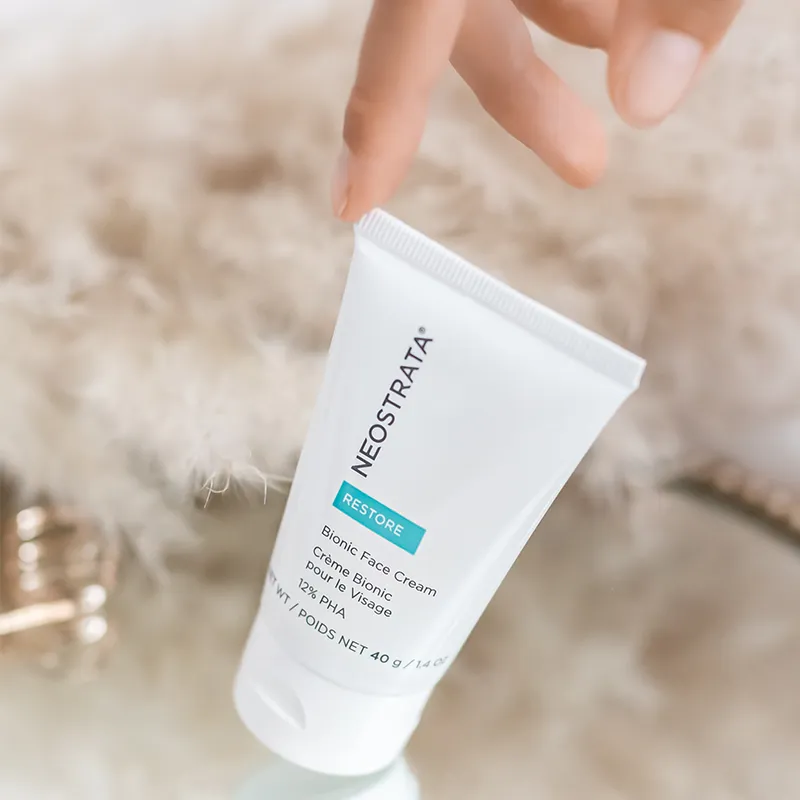
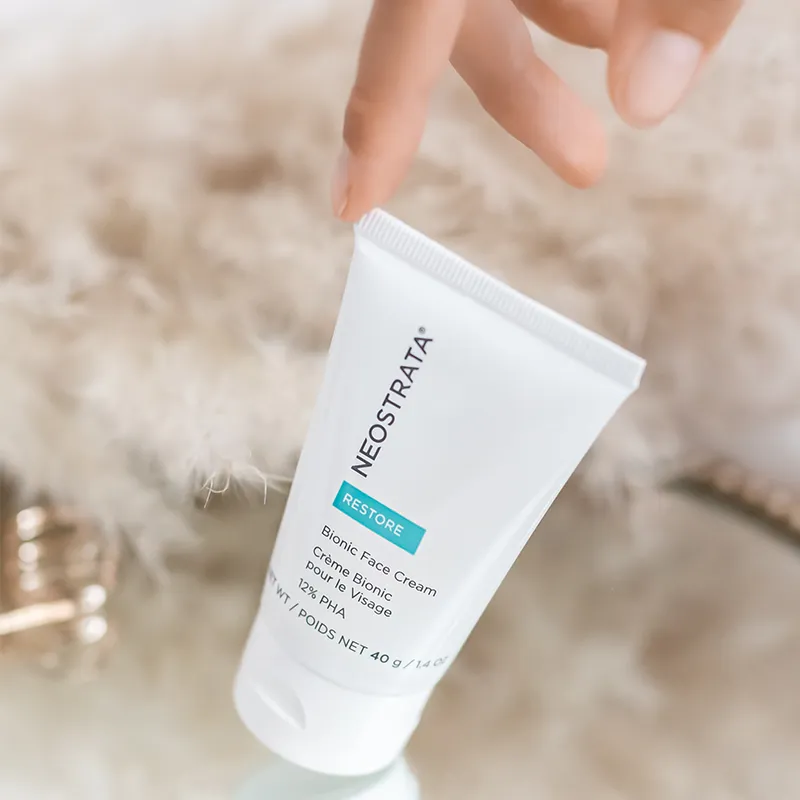
| Restore PHA Barrier Recovery Cream | Moisturiser built on PHAs, not glycolic acid | Anyone who wants exfoliation benefits with a gentler acid, including sensitive skin |
The third row is deliberately not a glycolic product. If your skin stings, flushes or flakes on AHAs, a PHA is the sensible alternative rather than a stronger glycolic acid. You can read more on how PHAs differ from AHAs.
Who should not use glycolic acid?
Glycolic acid suits most skin types, but it is not right for everyone and not right for every moment. Hold off, or get advice first, if any of these apply:
- Your skin is currently sensitised. Stinging, redness, itching or flaking means your barrier is already under stress. Adding an acid now will make it worse, not better. Let skin settle first.
- Your barrier is compromised. If you are being treated for eczema, rosacea or a damaged moisture barrier, ask your dermatologist before introducing an AHA.
- You are on prescription retinoids or have recently had a peel or laser treatment. Your skin is already turning over faster than usual. Stacking glycolic acid on top risks real irritation.
- You are not going to wear daily SPF. AHAs make skin more sensitive to sunlight. Using glycolic acid without a daily SPF moisturiser undoes the benefit you are paying for. Apply SPF every morning and reapply through the day.
- You are pregnant or breastfeeding. Speak to your doctor or pharmacist before adding any new exfoliating acid to your routine.
Glycolic acid with PHA and retinol: how to pair them
Glycolic acid plays well with some ingredients and badly with others. Being deliberate about pairing is the difference between a routine that works and one that irritates.
Glycolic acid and retinol. Both are effective antiageing ingredients, and they should not be applied in the same evening. Alternate nights once your skin tolerates each one. How to use glycolic acid and retinol together sets out a safe schedule.
Glycolic acid and PHA. PHAs are the gentler branch of the same family. If your skin is reactive, a PHA routine can deliver exfoliation and barrier support without the sting of an AHA. Many people do better on PHAs nightly and an AHA once or twice a week, rather than glycolic acid every day.
Glycolic acid and vitamin C. These can be used together, but the combination increases irritation risk on sensitive skin. Vitamin C in the morning and glycolic acid at night is the usual arrangement.
Glycolic acid and hyaluronic acid. A good pairing. Hyaluronic acid pulls water into the skin, which offsets the drying that glycolic acid can cause.
Whichever combination you choose, introduce one new product at a time so you can tell what your skin is actually reacting to.
How Do You Use Glycolic Acid?
In conclusion, Glycolic Acid is a welcome choice as part of a daily skincare routine to help with a variety of skincare concerns from visible signs of ageing and discolouration, to targeting acne-prone skin by removing the outer layer of skin cells to reveal newer, fresh ones underneath for a glowing, youthful look.
To get glowing with Glycolic Acid, begin to incorporate it into your skincare routine in a variety of ways such as cleanser, toner, treatments, peels and more. Our step-by-step routine guide walks through the order of steps, how often to use it and what to pair it with.
Glycolic acid: common questions
How often should I use glycolic acid?
Start two or three evenings a week and build up only if your skin stays comfortable. A rinse-off cleanser can usually be used daily; a leave-on peel at 10% is best used as your skin tolerates it rather than every night from day one. If skin stings or flakes, reduce the frequency.
Can I use glycolic acid with vitamin C?
Yes, but not at the same time of day if your skin is at all sensitive. Use vitamin C in the morning and glycolic acid in the evening. Both increase sun sensitivity, so daily SPF is not optional.
Does glycolic acid make skin sensitive to the sun?
It can. AHAs increase skin’s sensitivity to sunlight while you are using them, which is why we recommend applying glycolic acid in the evening and wearing an SPF moisturiser every morning. This is a reason to be consistent with sun protection, not a reason to avoid glycolic acid.
How long does glycolic acid take to work?
Surface smoothness and brightness are usually the first things people notice, over the first few weeks of regular use. Tone and the look of dark spots change more slowly. In a 12-week study of the NeoStrata Resurface Regimen, 97% of participants noted more even skin tone, 91% noted brown spots were fading and 91% noted wrinkles were less noticeable, after 12 weeks as part of a full AHA regimen.
References:
https://www.medicalnewstoday.com/articles/glycolic-acid-for-skin#benefits
Related Products
Frequently asked questions
What is a glycolic acid peel?
A glycolic acid peel is a chemical exfoliation treatment that applies glycolic acid - the smallest alpha hydroxy acid - to dissolve the bonds between dead skin cells on the surface, revealing smoother, brighter skin underneath.
What percentage glycolic acid should a peel be?
At-home peels and pads typically use 4% to 10% glycolic acid for repeated use; professional in-clinic peels run roughly 20% to 70% and are applied by a trained practitioner who controls contact time.
How often should you use a glycolic acid peel at home?
Start once or twice a week at low strength and build up only if the skin tolerates it. If you get stinging, redness or flaking that lasts more than a day, drop back to once a week or a lower percentage.
Can you use glycolic acid and retinol together?
Yes, but not on the same night to start. Alternate them, or use glycolic acid in the morning and retinol at night once your skin is used to both, and always wear sunscreen during the day.
Does glycolic acid make skin more sensitive to the sun?
Yes. AHAs increase photosensitivity by removing the outer layer of dead cells, so daily broad-spectrum SPF 30 or higher is essential while using a glycolic acid peel.
How strong are NeoStrata glycolic acid products?
NeoStrata formulates its at-home glycolic acid products for regular use at consumer-safe AHA concentrations, and its professional ranges are used in-clinic. Check the product page for the exact percentage in each formula.